LakeList
FavoritesStateChoose a state
Lake of the Week
One Wisconsin lake a week, read from the record: what the DNR surveys measured, what the old survey sheets still show, and what is verifiably worth knowing before you drive up.
Every claim carries a source and a date. Editions post first on the LakeList Facebook page, and every story links back to that lake's full data. Last checked August 1, 2026.
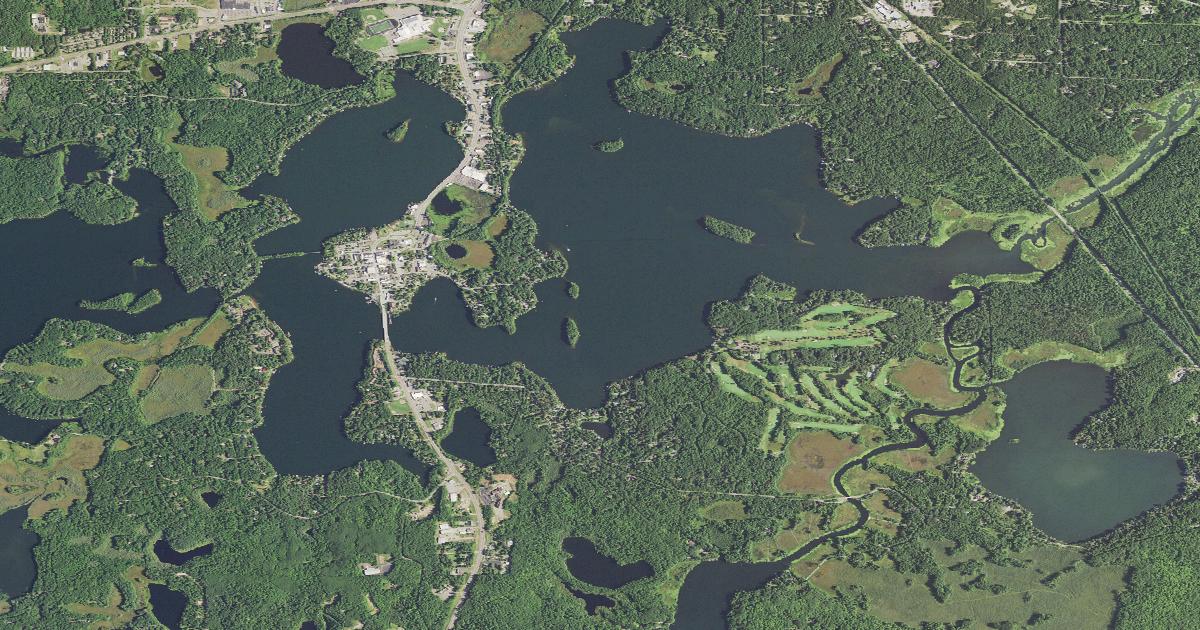
No. 1 · Minocqua Lake, Wisconsin
9 Ways to Spend a Day on Lake Minocqua
Most Northwoods towns sit beside a lake. Minocqua sits inside one. The downtown occupies what was an actual island — the visitor bureau still calls it that, reached now by the Highway 51 bridge and by "the fill" to the north — and the water wraps most of the way around it. You can walk from a bar to a beach to a boat launch in about ten minutes.
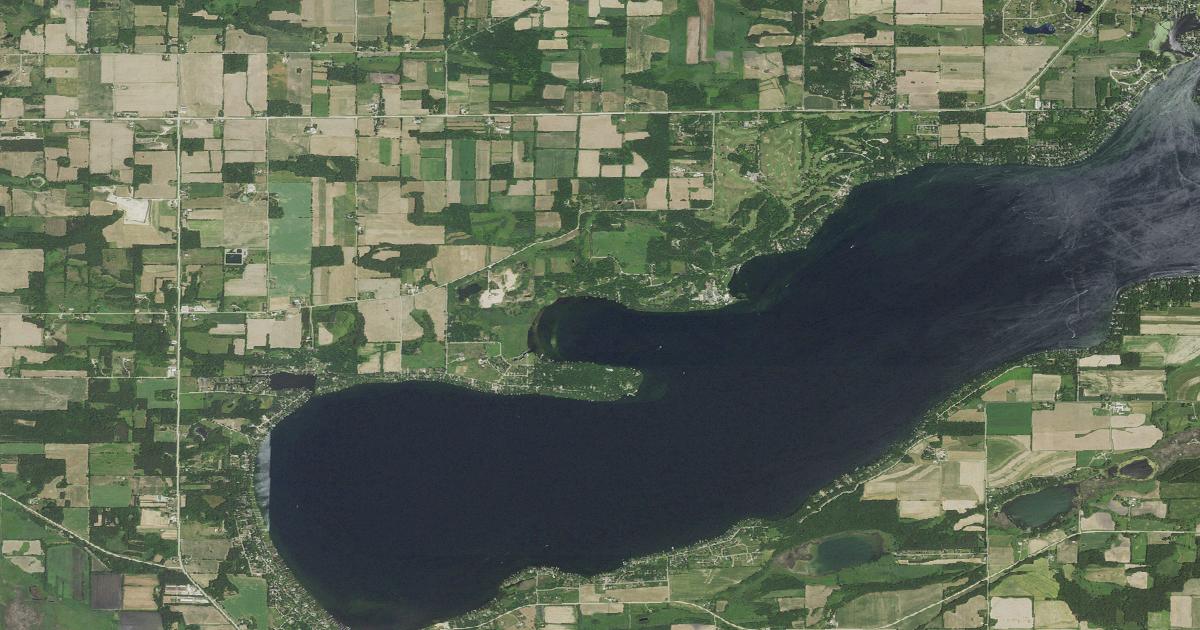
No. 2 · Green Lake, Wisconsin
8 Ways to Spend a Day on Big Green Lake
Green Lake is the deepest natural lake in Wisconsin, and the trouble in it is not at the bottom. In 2014 the Wisconsin DNR listed it as an impaired waterbody for a dead zone of low dissolved oxygen in its thermocline — a band roughly 30 to 60 feet below the surface — with excess phosphorus named as the likely cause. The Green Lake Association, which tracks the listing, counts roughly 144 Wisconsin lakes listed for low dissolved oxygen and 718 for high phosphorus. Below that band, this lake keeps going to 236 feet.
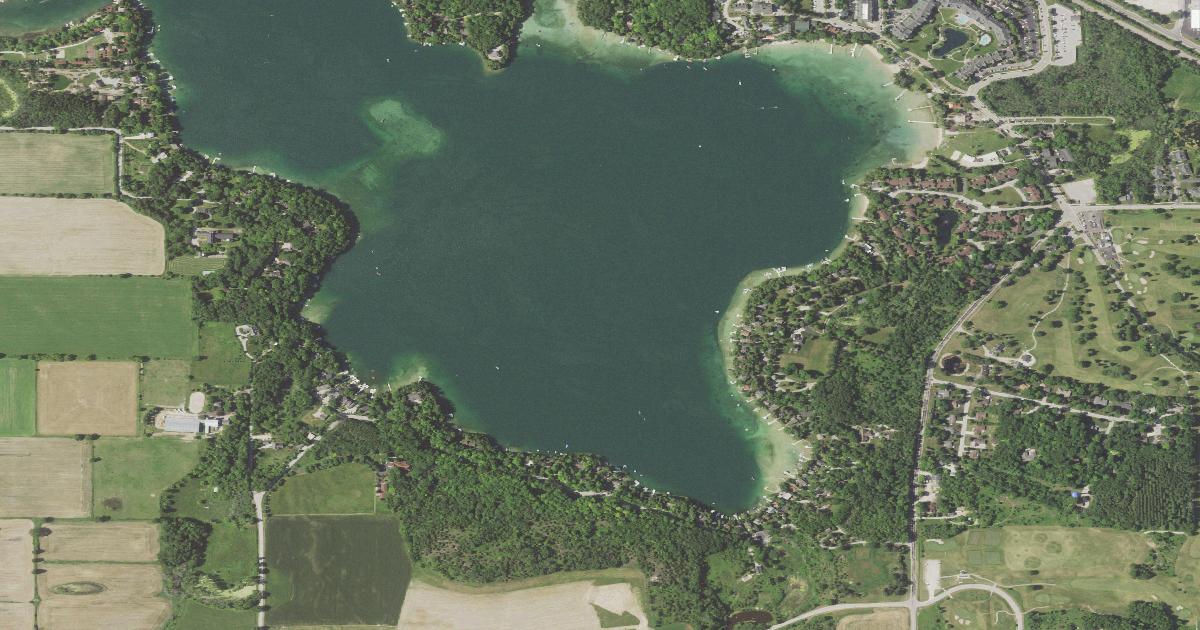
No. 3 · Elkhart Lake, Wisconsin
8 Ways to Spend a Weekend at Elkhart Lake
The thing at Elkhart Lake with federal protection is not the water. It is the pavement. The public county roads around the village are on the National Register of Historic Places for the sports car races of 1950, 1951 and 1952. They got there because a 2002 county reconstruction project would have straightened that geometry away.
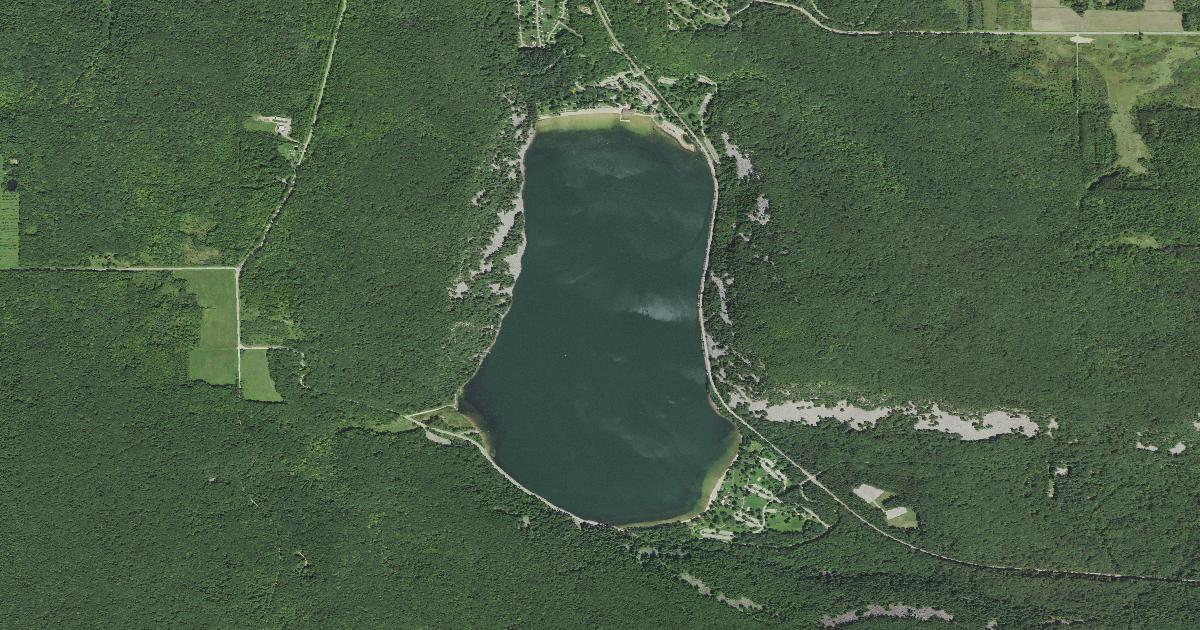
No. 4 · Devils Lake, Wisconsin
8 Ways to Spend a Day at Devil's Lake
"Devil's Lake" is a mistranslation. The Ho-Chunk name for this water is Tee Wakącąk, which the Wisconsin DNR renders as "Tee Wakacak, in the Ho-Chunk language, closely meaning Sacred Lake." European settlers read it through a Christian frame, and the wrong version is the one that stuck. The tradition attached to the lake involves a protective catlike water spirit, something like a lynx or a water panther. Nothing in the original carries a negative sense.
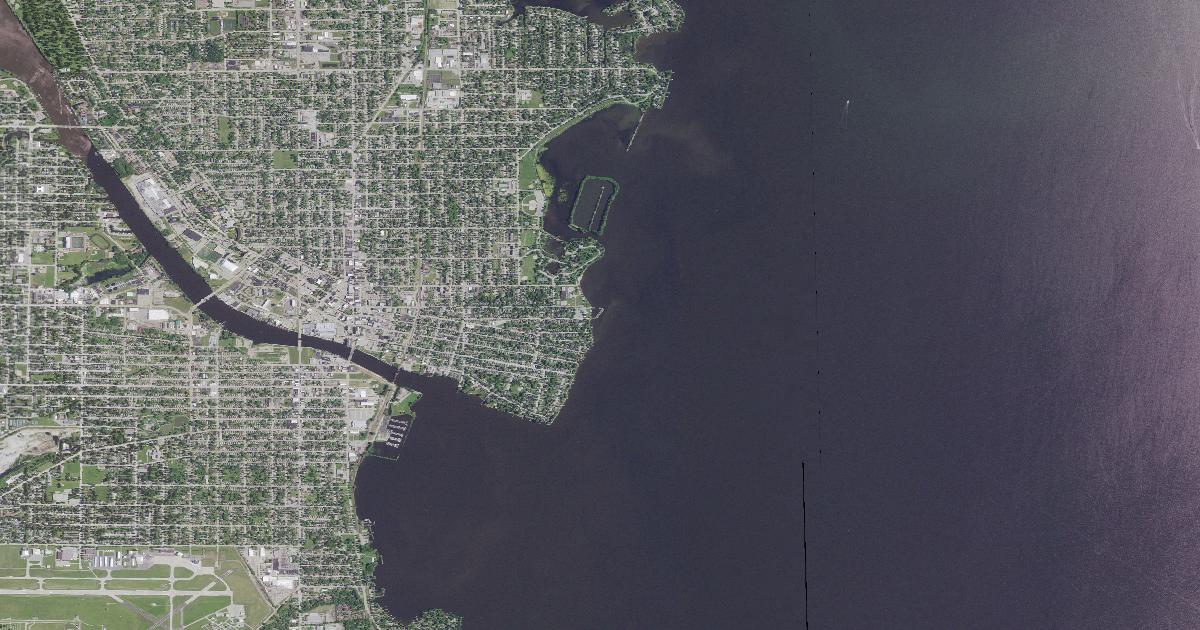
No. 5 · Lake Winnebago, Wisconsin
8 Stops and Stories Around Lake Winnebago, Starting With a Rejected Lighthouse
Wisconsin will let you spear a Lake Winnebago sturgeon through a hole in the ice. It will not let you register it over the phone. A speared fish has to be presented in person at an official registration station by 2 p.m. the same day it is taken, and the DNR's 2026 Lake Winnebago station list gives those stations by name and street address — a supper club at Pipe, Wendt's Marine at Van Dyne. That rule is why the 2026 tally is a physical object: 1,540 fish system-wide, every one of them carried to a counter.
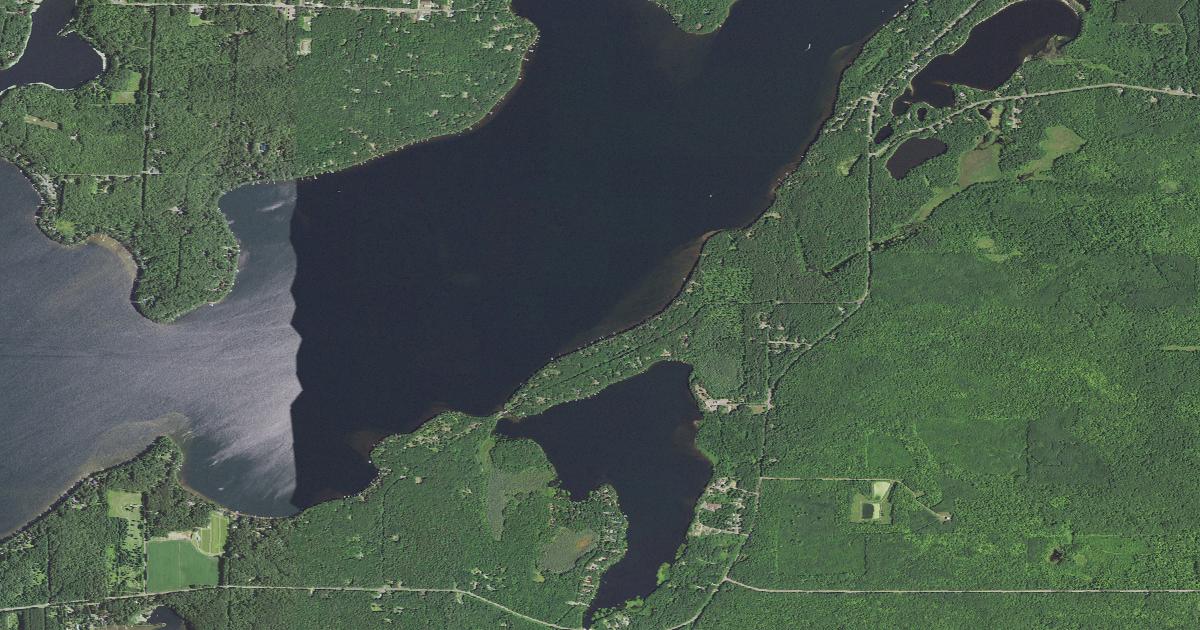
No. 6 · Lac Courte Oreilles, Wisconsin
8 Stops Around Lac Courte Oreilles, Starting With a Disputed World Record
Lac Courte Oreilles produced the fish the International Game Fish Association still lists as the all-tackle world-record muskellunge: 67.5 pounds, caught by Cal Johnson on July 24, 1949, by the Sawyer County Record's account. It also produced a long argument, still unresolved, about whether that fish was ever the 60.25 inches on the record. The evidence on both sides is the first stop below.